

 Uncategorised
Great Sphinx VIP: Explore the Secrets of Egypt’s Iconic Monument
The Enigma of the Great Sphinx of Giza
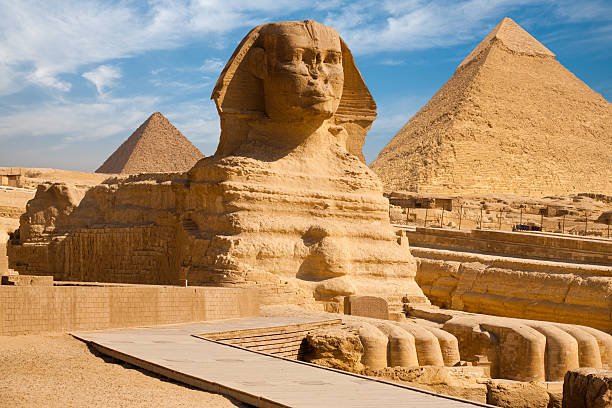
Immerse yourself in the ancient mystery of the Great Sphinx of Giza — one of Egypt’s most awe-inspiring and enigmatic monuments. With the body of a lion and the head of a human, the Great Sphinx has guarded the Giza Plateau for more than 4,500 years, watching over the pyramids and whispering the secrets of an ancient world that still fascinates millions today.
A Monument of Majesty and Mystery
Carved directly from the limestone bedrock, the Great Sphinx stands as a masterpiece of ancient engineering and artistry. Believed to have been built during the reign of Pharaoh Khafre (around 2558–2532 BCE), the statue measures an impressive 73 meters long and 20 meters high — making it the largest monolithic sculpture of the ancient world.
Its face, though weathered by time and sand, still bears the unmistakable power and serenity of the pharaoh it represents. Scholars continue to debate whether it depicts Khafre himself or perhaps his father, Khufu, the builder of the Great Pyramid. Once adorned with vibrant colors and a ceremonial headdress, the Sphinx was a living embodiment of divine kingship and eternal strength.
The Dream Stele: A Royal Vision
Nestled between the Sphinx’s mighty paws lies one of Egypt’s most fascinating artifacts — the Dream Stele of Pharaoh Thutmose IV. This granite slab tells a story of divine destiny. According to the inscription, the young prince Thutmose fell asleep in the shadow of the Sphinx and dreamed that the great guardian promised him the throne if he would free it from the sands of time.
Fulfilling his divine promise, Thutmose IV restored the Sphinx, earning both glory and legitimacy as Egypt’s ruler.
Through our VIP Sphinx Experience, you can stand where Thutmose once stood — touch the monument’s weathered stone, and gaze upon the Stele that changed Egyptian history.
Symbolism and Spiritual Power
The Sphinx was more than a statue; it was a symbol of cosmic harmony — the union of human intellect and animal strength. Facing east, directly toward the rising sun, the Sphinx represented Ra-Horakhty, the Sun God, and served as both guardian and solar deity. Its presence was meant to protect the royal necropolis and to ensure the rebirth of the pharaoh’s soul in the afterlife.
The lion’s body symbolized raw power and royal authority, while the human head reflected wisdom and divine intelligence. Together, they created a timeless symbol of balance, protection, and eternal life.
The Mysteries That Endure
Despite centuries of exploration, the Sphinx remains an enigma. Who ordered its construction? What secrets lie beneath its paws? Myths abound — from hidden chambers to lost libraries buried deep beneath the sands.
Modern archaeologists continue to study the monument with advanced technologies, but much of its origin and purpose remain shrouded in mystery. Perhaps that’s what makes it so compelling — a living riddle that invites us to keep searching for answers.
Visiting the Great Sphinx: A Once-in-a-Lifetime Experience
Standing before the Great Sphinx is like stepping into another world. The massive limestone guardian looms over the desert, silent yet alive with history.
On most tours, visitors can only admire it from a distance — but our VIP Access Tour offers something truly extraordinary.
With exclusive entry into the Sphinx’s enclosure, you’ll walk right up to this legendary monument, stand between its colossal paws, and even touch the ancient surface that has endured for millennia.
This intimate encounter is normally off-limits to the public, making it one of Egypt’s most sought-after experiences.
Inside the Sphinx Enclosure
Few people realize how detailed and intricate the Sphinx’s surroundings are. The enclosure, carved deep into the limestone plateau, reveals layers of history and restoration — from ancient chisel marks to modern conservation efforts.
Your private Egyptologist guide will explain how the structure was shaped, repaired, and revered throughout Egypt’s long history, from the Old Kingdom to Roman times.
The Sphinx at Sunrise and Sunset
The best moments to visit the Sphinx are during the golden hours — when the sun rises over the desert or sets behind the Giza Plateau. The soft light illuminates the monument’s features, making it appear almost alive.
Many travelers describe the experience as spiritual and humbling, as if standing before a being that transcends time itself.
Can I touch the Sphinx?
Yes. On this VIP tour, you’ll have the rare opportunity to touch the ancient limestone surface of the Sphinx — a privilege normally reserved for researchers.
What makes this tour different from others?
Our tour grants exclusive access inside the Sphinx enclosure, allowing you to stand directly beside the monument and examine the Dream Stele up close.
What is the Dream Stele?
It’s a granite slab placed between the Sphinx’s paws, inscribed with Pharaoh Thutmose IV’s divine dream that led to his coronation and the restoration of the Sphinx.
Can I walk inside the Sphinx area?
Yes, you can. This experience allows private entry to the enclosure, away from the crowds, for a truly intimate exploration.
Explore the Great Sphinx with Egypt Safari Tours 🌅
At Egypt Safari Tours, we go beyond sightseeing — we create legendary experiences. Our VIP Sphinx Tour grants you privileged access to areas closed to the general public.
Walk between the Sphinx’s mighty paws, touch the ancient limestone, and capture breathtaking photos that few others can.
With expert Egyptologists, private transportation, and personalized guidance, this journey isn’t just a tour — it’s a connection with one of the world’s oldest and greatest wonders.
Why Choose Egypt Safari Tours?
Exclusive VIP Access to the Sphinx enclosure
Professional Egyptologist Guide
Private luxury transport
Flexible schedules — even night visits upon request
Tailored experiences combining Giza Pyramids, Valley Temple & Old Cairo
Embark on an unforgettable adventure where history, mystery, and privilege unite.
Book your VIP Sphinx Experience today — because the legend of the Sphinx deserves to be lived, not just seen.

